
Last Updated: 11 months ago
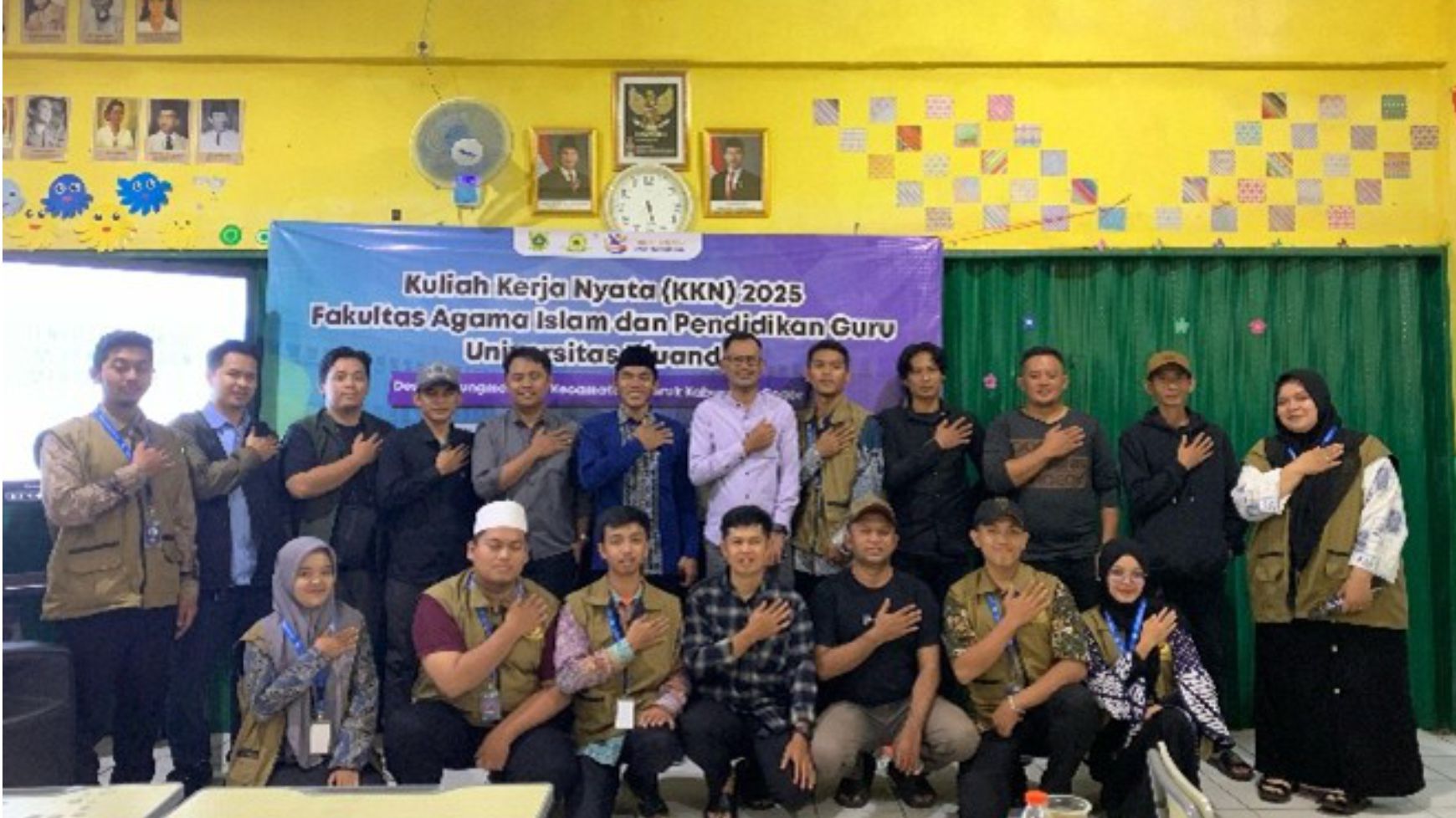
Students of the Community Service Program (KKN) of the Faculty of Islamic Religion and Teacher Education (FAIPG) of Djuanda University (UNIDA) Group 8 of Warung Menteng Village held a socialization on the introduction of sharia contracts in village cooperatives (05/08/2025)
Village cooperatives play a vital role in the community economy. To improve the quality of management in accordance with Islamic principles, it is necessary to promote the application of sharia contracts in all cooperative activities. This aims to ensure cooperatives operate fairly, transparently, and free from practices that conflict with sharia.
Fahmi Kelana Dwi Insani, the head of the event committee, in his speech expressed his hopes
"We hope that all participants can understand the basic concept of managing the Warung Menteng village cooperative so that in the future the Warung Menteng village cooperative can become a professional, transparent cooperative that complies with sharia principles," he said.
Agil Asmi Fariziq S.HSecretary of Warungmenteng Village, delivered a short speech regarding the activity
"This activity is very useful because it can provide understanding to cooperative officials and also village officials about how sharia principles are applied in cooperative management, because in the Warungmenteng village area there is still minimal understanding of sharia contract principles," he said.
Muhammad Amin M.S.I.,S.HIas a resource person in this socialization activity, he conveyed information regarding sharia cooperatives.
“Sharia cooperatives are profit-oriented but in accordance with sharia principles, collecting and distributing funds to reduce online loans. Common contracts used are murabahah and musawamah, with credit permitted if agreed upon in advance without any elements of usury or dharar. Prohibited practices include mystery boxes, installment plans for gold, wheat, dates, staple foods, and usury-based multifinance financing. The main difference from conventional cooperatives lies in the usury-free contracts. Monitoring and evaluation are still necessary, and the public is advised to choose institutions that are better and less harmful, even if they are not yet perfect," he said.
This outreach activity is expected to encourage village cooperatives to begin implementing Sharia principles in business management. In addition to improving the understanding of cooperative administrators and members, this activity also aims to raise public awareness of the importance of a fair and sharia-compliant economic system.