
Last Updated: 8 months ago
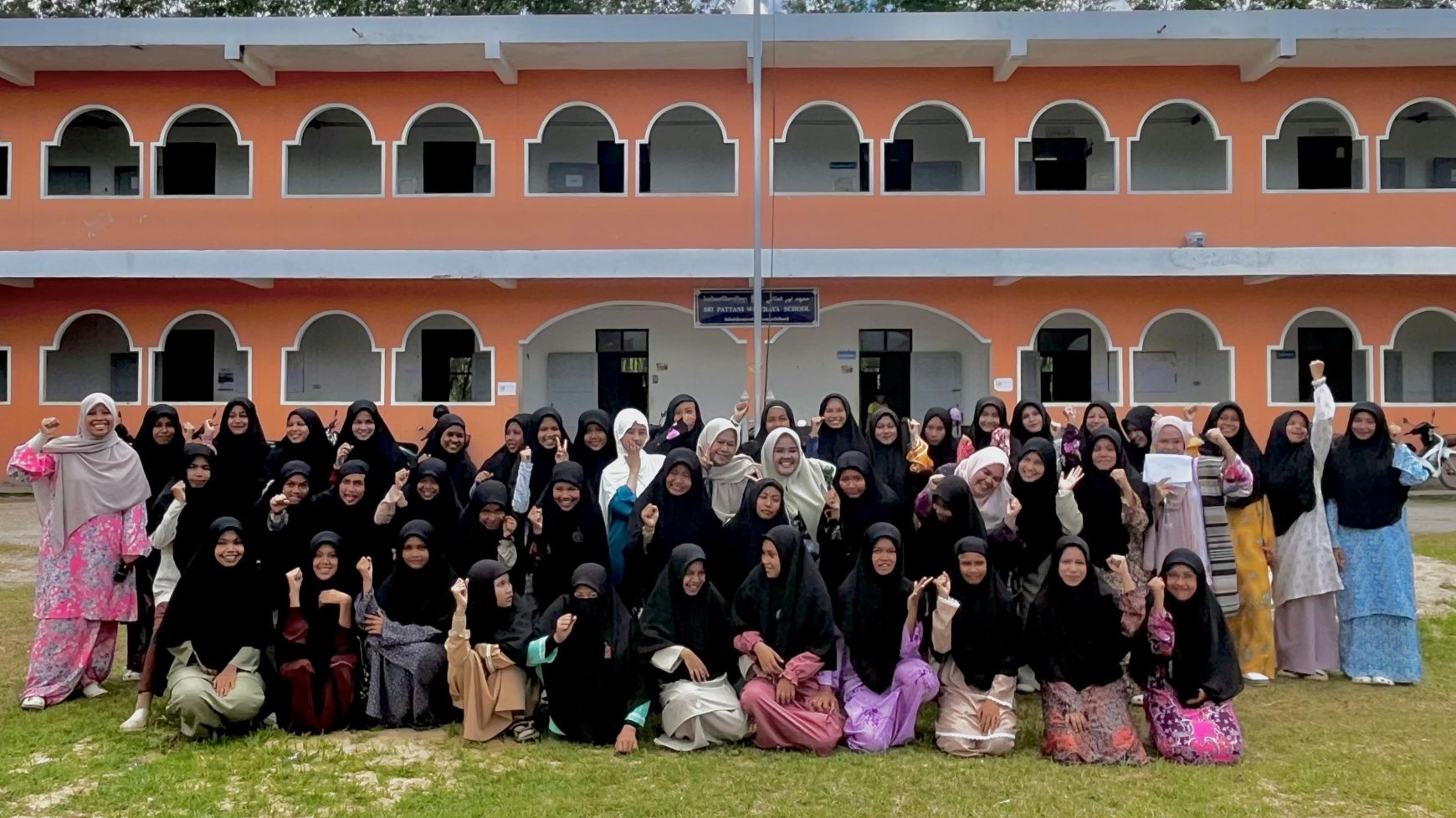
In the Malay-Muslim region of Thailand, the commemoration of ʿĀsyūroʼ is more popularly known as Ashura Porridge Day. This tradition not only holds religious significance but also serves as a means of community togetherness. In 2025, the event became even more lively with the participation of students from Djuanda University, Muhammadiyah University of Purwokerto, and Muhammadiyah University of Tasikmalaya. We joined students from Sri Pattani Witthaya School, and the event lasted approximately 10 hours, creating a lively atmosphere with cross-cultural interactions and camaraderie among the students. (12/08/2025)
The main activity at the commemoration is the preparation of Ashura porridge (ʿāsyūrāʼ porridge). This special porridge is made from a mixture of various grains, rice, coconut milk, sugar, and meat, cooked in large quantities. The cooking process is carried out collaboratively, not only producing a special dish but also strengthening a sense of unity among the participants. This tradition also symbolizes blessings, as the ingredients used are diverse and cooked together in a spirit of togetherness.
The students were divided into four groups based on colors: red, yellow, green, and blue. Each group consisted of approximately 24 to 25 people, with roles assigned according to tradition. The boys were in charge of cooking the porridge, while the girls decorated it to make it look attractive. Each group presented a different porridge flavor, creating a unique variation for each team. This competition fostered a healthy competitive spirit, adding to the lively atmosphere of the event, while also teaching students to work together as a team.
Furthermore, the cultural aspect was also strongly felt at this event. Female teachers and female students wore baju kurung, an elegant traditional Malay attire, while the men wore kain lepas golak (a headband). This traditional attire further enhanced the local feel of the Ashura Porridge Day celebration, making it not only a religious activity and competition, but also a celebration of cultural identity. Thus, this event became a platform for learning, togetherness, and the preservation of meaningful Malay Islamic traditions